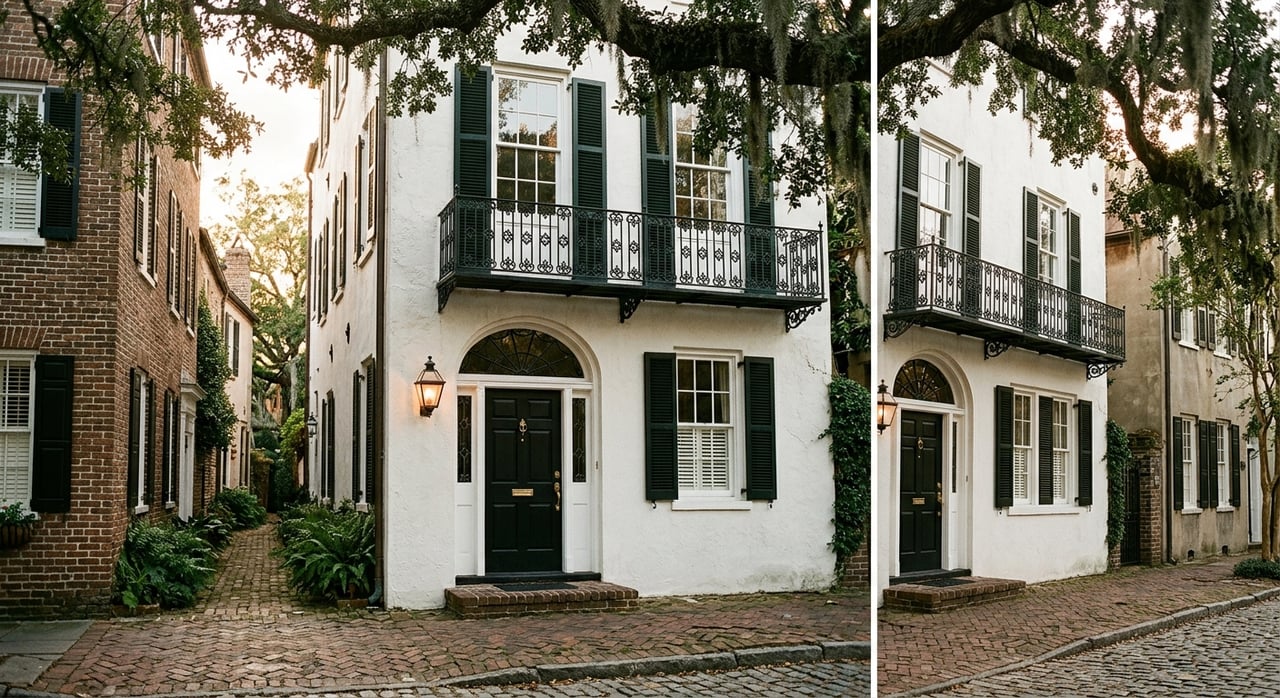
Wondering if downtown Charleston feels like a dream address or a daily hassle? The honest answer is that it can be both, and that is exactly why so many people are drawn to it. If you are thinking about living on the peninsula, it helps to understand the real rhythm of daily life before you buy. Let’s dive in.
Downtown Charleston feels historic and lived-in
Downtown Charleston is not just a scenic backdrop or a weekend destination. It is a compact historic core where residents, visitors, shops, restaurants, and preservation all share the same space. That overlap shapes daily life in ways that feel very different from a suburban neighborhood.
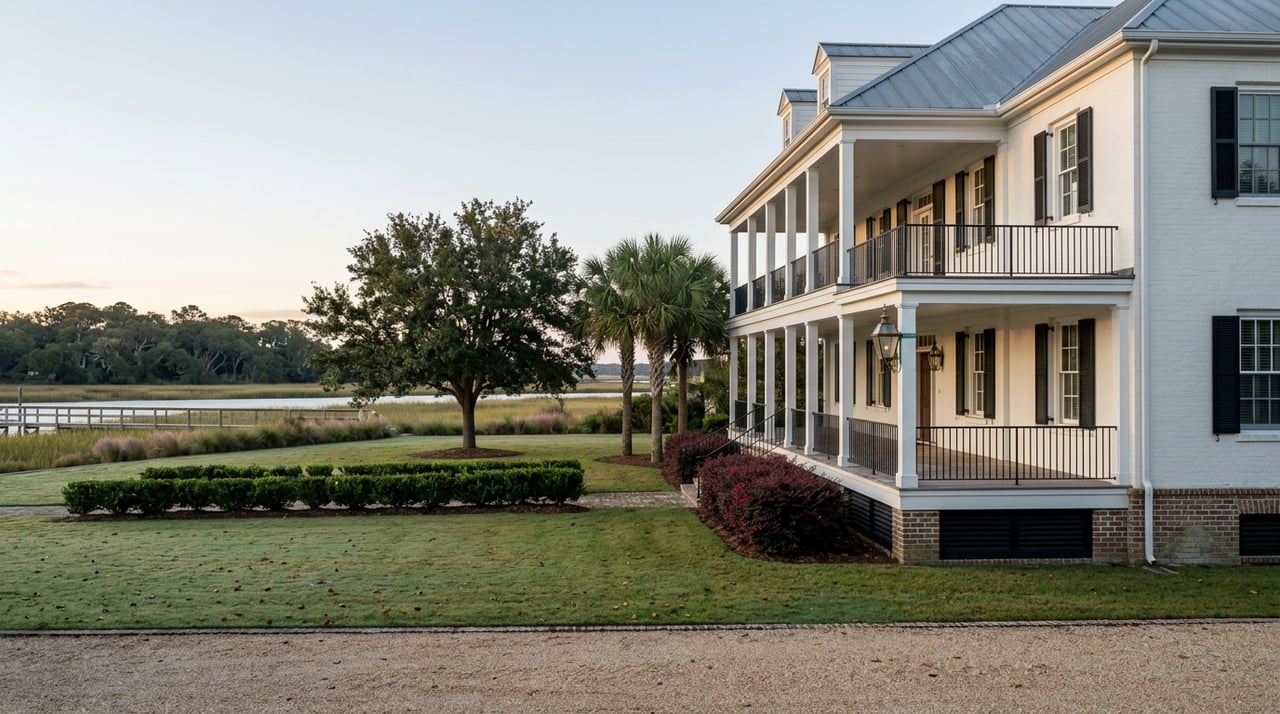
The historic character is one of the biggest reasons people want to live here. The Charleston Historic District is a National Historic Landmark District, and the city has a long-standing preservation framework that helps protect the look and scale of downtown streets. If you love architecture, walkable blocks, and a setting that feels distinctly Charleston, that appeal is real.
At the same time, the city openly treats downtown as both a place to live and a place to visit. Charleston’s Livability & Tourism department is focused on balancing resident quality of life, tourism, and historic preservation. That tells you a lot about what downtown living is really like: vibrant, active, and carefully managed.
Historic rules shape homeownership
If you buy downtown, the historic setting is not just part of the view. It can affect what you do with your property. In historic districts, the Board of Architectural Review oversees new construction and exterior changes that are visible from the public right-of-way.
For you, that can be a plus or a challenge depending on your goals. The upside is that the surrounding streetscape is protected, which helps downtown keep its visual identity. The tradeoff is that exterior updates may involve more review and planning than they would in a newer area.
This matters most when you are comparing home types. A detached home may offer more privacy and a classic Charleston feel, but it can also come with more upkeep and more preservation-related decisions. If you want a simpler ownership experience, that reality may steer you toward a condo or townhome instead.
Walkability is a real lifestyle perk
One of the best parts of living downtown is how much you can do on foot. The peninsula puts dining, retail, parks, and civic spaces close together, which makes everyday life feel more connected and convenient. For many residents, that walkable pattern is the main lifestyle upgrade.
King Street is a major example. The city describes it as the region’s shopping and dining hub, and it plays a big role in the energy of downtown living. Depending on where you live, grabbing coffee, meeting friends, running errands, or heading out for dinner may not require much driving at all.
Downtown also has public transit that supports a car-light routine. CARTA’s free DASH service runs three downtown routes and serves places like the Aquarium, College of Charleston, the Medical Complex, Waterfront Park, City Market, Broad Street, and Upper King. CARTA’s wider network also connects riders to hospitals, libraries, grocery stores, shopping centers, service agencies, and even the airport via Route 11.
So, can you live downtown without depending heavily on a car? Often, yes. That said, your exact experience will depend on your block, your commute, and how comfortable you are with urban tradeoffs.
Parking is the biggest everyday tradeoff
If walkability is the upside of downtown Charleston, parking is usually the friction point. The city’s on-street meters are active Monday through Saturday from 9 a.m. to 6 p.m., with a standard rate of $3 per hour. That may not affect you every day, but it is part of the daily reality for guests and for errands that require a car.
The city also notes that there are currently no vacancies for monthly garage or lot accounts and no waiting list for them. That is an important detail if you are imagining easy long-term parking downtown. You want to think about parking from the beginning, not after you are under contract.
Residential parking is more structured than many buyers expect. Charleston’s Residential Parking Program covers much of downtown, with more than 8,000 permits issued annually across Peninsula Parking Districts. If you are considering a downtown purchase, parking access and permit logistics should be part of your decision-making process.
Weekend nights can add another layer. On King Street between Spring and John streets, the city prohibits street parking from 6 p.m. to 3 a.m. on Thursday, Friday, and Saturday nights. If you want easy, predictable parking right outside your home, downtown may feel more demanding than you expect.
Downtown can be lively, busy, and noisy
This is one of the biggest questions buyers ask, and the honest answer is yes, downtown can be noisy. Charleston attracts more than 6 million visitors each year, and areas tied to dining, shopping, nightlife, and events can stay active well beyond business hours. Even on a regular weekday, downtown can feel energetic and full.
That does not mean it is unmanaged. Charleston has a noise ordinance that prohibits loud and unnecessary noise. Amplified sound audible in a public street is restricted after 11 p.m., and unamplified music audible from outdoor areas is restricted after midnight.
The city also requires special event permits for activities that significantly affect streets, sidewalks, parks, traffic, alcohol service, or amplified sound. Some applications must be filed 60 to 120 days in advance. In practical terms, that means downtown activity is part of the lifestyle, but it is not completely unchecked.
Your experience will still vary by location. A quieter residential street can feel very different from a home near nightlife or a major event route. That is why neighborhood fit matters just as much as the property itself.
Outdoor space helps balance city energy
One thing that surprises some buyers is how much outdoor relief downtown offers. Even in a dense historic setting, there are places where daily life can slow down. These spaces are not just for visitors. They are part of the regular resident routine.
Waterfront Park is one of the best examples. The city describes it as an eight-acre linear park and pier at the harbor entry, and it remains one of the peninsula’s most recognized outdoor spaces. It gives residents a scenic place to walk, sit, and reset near the water.
Colonial Lake is another everyday favorite. It is known as a popular place for strolling and dog-walking, which gives it a more neighborhood-based feel. If you picture morning walks or an easy outdoor loop close to home, this is part of what makes downtown living feel livable.
Marion Square also adds a weekly rhythm that feels more local than tourist-focused. The Charleston Farmers Market runs there on Saturdays from April through November. For downtown residents, that can mean a walkable weekend errand, fresh local goods, and a regular social routine.
Choosing the right home type downtown
Not every downtown property delivers the same lifestyle. The better question is not just what looks beautiful in photos. It is which type of home best fits how you want to live day to day.
Condos
Condos are often the easiest fit if you want downtown access with less exterior maintenance. In a historic area with parking constraints and preservation rules, they can offer a more practical lock-and-leave option. If convenience matters more to you than yard space, a condo may check the right boxes.
Townhomes
Townhomes usually sit in the middle. You may get more interior space and a more house-like layout than a condo, while still staying close to the walkable core. At the same time, shared walls, limited parking, and dense surroundings are often part of the package.
Single-family homes
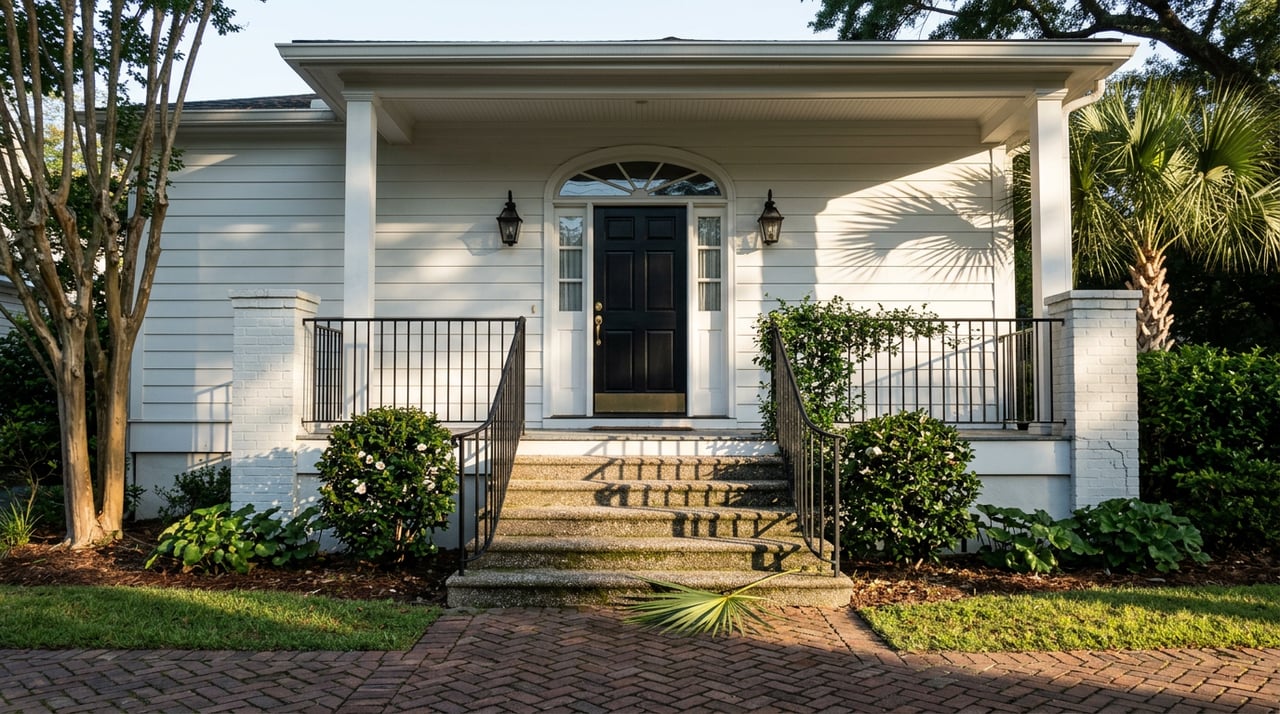
Single-family homes often deliver the strongest sense of privacy and the most traditional Charleston residential feel. They can also involve more upkeep, more planning around visible exterior changes, and tougher parking logistics. If you love the idea of owning a classic downtown home, it helps to go in with clear expectations.
Is downtown Charleston right for you?
Downtown Charleston tends to reward buyers who care most about walkability, architecture, parks, restaurants, and urban energy. If you want to step outside and feel connected to the city right away, there are few places in the region that offer the same experience. The setting is rich in character, and that is a major part of the appeal.
It may be a tougher fit if your top priorities are easy parking, consistently quiet evenings, and low-maintenance exterior flexibility. Those things can be harder to line up in a historic mixed-use core. That does not make downtown less desirable. It just makes it more specific.
The key is matching the home to your lifestyle, not just your wish list. At Weichert, Realtors® - Lifestyle, we believe that is where smart real estate decisions begin. If you want help comparing downtown Charleston to other Charleston-area neighborhoods, connect with Weichert, Realtors® - Lifestyle for local guidance built around how you want to live.
FAQs
What is daily life like in downtown Charleston for full-time residents?
- Daily life in downtown Charleston blends historic surroundings, walkability, active streets, tourism, and neighborhood routines like park walks, local errands, and the Saturday farmers market at Marion Square.
Can you live in downtown Charleston without using a car every day?
- Often yes, because downtown is walkable, CARTA offers free DASH routes on the peninsula, and the wider transit network connects downtown to key destinations like grocery stores, hospitals, and the airport.
Is parking difficult in downtown Charleston?
- Parking is one of the biggest tradeoffs of downtown living, with metered on-street parking, residential permit systems across much of downtown, and limited long-term garage or lot availability.
Is downtown Charleston noisy at night?
- It can be, especially near dining, nightlife, and event-heavy areas, but the city regulates noise through local ordinances and manages larger events through a permit process.
Are there outdoor places to enjoy in downtown Charleston?
- Yes, residents regularly use spaces like Waterfront Park, Colonial Lake, and Marion Square for walking, relaxing, dog-walking, and weekly market visits.
What type of home is easiest to own in downtown Charleston?
- For many buyers, condos are the simplest option because they often involve less exterior maintenance, while townhomes and single-family homes may bring more space along with more upkeep and parking considerations.